Hello, nutrition specialist. Are plant proteins from beans, seeds, nuts and plant milks really as beneficial as people say?
As a nutrition analyst, I would like to share the distinctive benefits of protein from beans, nuts, seeds and plant milks, and ways for vegetarians to get the most from plant protein.
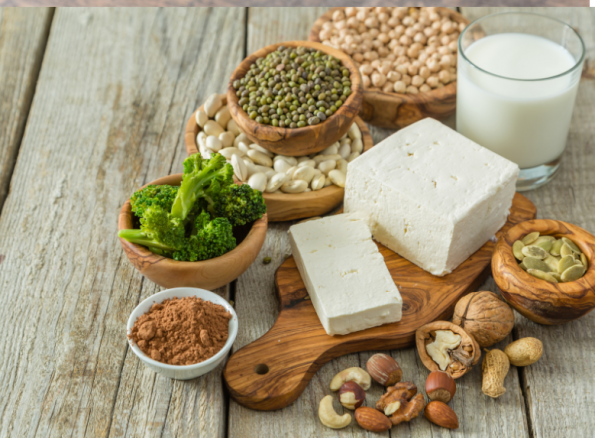
The surprising benefits of plant protein
Unexpected benefits of protein from beans, nuts, seeds and plant milks
- Rich in nutrients:
-
- Beans: Soybeans, black beans, lentils and chickpeas contain protein, fibre, vitamins and minerals such as iron, magnesium and potassium. Soybeans also contain isoflavones, phytoestrogens that benefit heart and bone health.
- Nuts and seeds: Chia, flax, pumpkin and sunflower seeds, and quinoa, provide protein, unsaturated fats, fibre, vitamins and minerals. Flax and chia seeds also contain heart-friendly omega-3 fats.
- Plant milks: Almond, soy and oat milks provide protein while being low in saturated fat and cholesterol, helping support heart health.
- Antioxidants:
-
- Nuts, seeds and beans contain antioxidants such as vitamin E, flavonoids and polyphenols. These help protect cells from free-radical damage and reduce the risk of chronic diseases.
- Supporting digestion:
-
- The fibre in beans, nuts and seeds supports healthy digestion, helps prevent constipation and improves the gut microbiome.
- Reducing disease risk:
-
- Eating plant protein may reduce the risk of cardiovascular disease, type 2 diabetes, obesity and some cancers. Soy isoflavones in particular have been shown to help lower LDL (bad) cholesterol and raise HDL (good) cholesterol.
So a vegetarian diet with plenty of plant proteins, nuts and seeds sounds especially beneficial?
Yes, a vegetarian diet that focuses on plant proteins, nuts and seeds offers many health benefits.
Beans, pulses, peanuts, chia seeds, walnuts, cashews and pumpkin seeds supply nutrients including protein, fibre and important minerals. They can provide energy, maintain healthy muscles and bones, support digestion and help regulate blood sugar.
Eating a variety of plant proteins, nuts and seeds also helps balance the diet and reduce the risk of diseases associated with an unbalanced diet.
Possible health risks associated with consuming and digesting large amounts of animal protein
- Increased cholesterol and saturated fat
- Sources of fat: Red meat and animal products contain saturated fat and cholesterol.
- Fat absorption: Fat from animal foods is emulsified by bile salts in the small intestine and absorbed into the bloodstream. This may increase cholesterol levels and cardiovascular risk.
- Accumulation of harmful by-products
- Nitrites and nitrates: Processed meats contain nitrites and nitrates that may become carcinogenic nitrosamines during digestion.
- Absorption into the bloodstream: These substances enter the blood and may damage DNA and cells, leading to cancer.
- Increased strain on the kidneys
- Protein breakdown products: Breaking down protein creates by-products such as urea and creatinine.
- Filtering and excretion: The kidneys must work harder to filter and remove these by-products, which may place them under strain and increase the risk of kidney failure.
- Increased uric acid
- Purines in meat: Red meat and seafood contain purines, which are converted into uric acid.
- Absorption and excretion: Uric acid enters the bloodstream and is excreted through the kidneys. High levels may lead to gout and kidney stones.
- Increased inflammation and oxidative stress
- Saturated fat: Consuming large amounts of saturated fat may cause inflammation and oxidative stress.
- Inflammatory responses: Inflammatory responses may lead to cardiovascular disease, diabetes and inflammatory bowel diseases.
How can someone eat a vegetarian diet if they cannot afford the nuts, seeds and grains mentioned above?
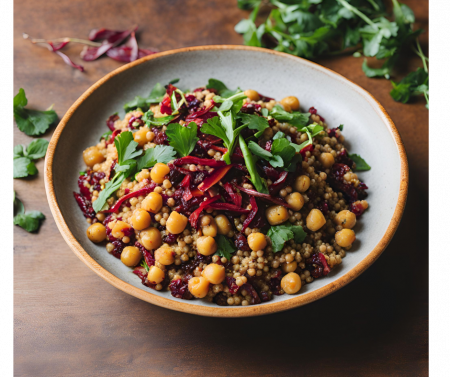
A plant-protein-rich dish with chickpeas, quinoa and beetroot
If expensive nuts, seeds and grains are beyond your budget, there are still many ways to eat a sensible, nutritious vegetarian diet:
Affordable plant protein sources
- Beans and pulses: Beans and pulses are widely available and affordable sources of plant protein. Black beans, mung beans, tofu and soybeans can be used in soups, stir-fries and salads.
- Vegetables and fruit: Spinach, broccoli, carrots, pumpkin, tomatoes and other produce provide important vitamins, minerals and fibre.
- Grains and barley: Brown rice, instant noodles and unsweetened oats are also options for vegetarian meals, providing carbohydrates and fibre.
- Seeds: Flax and chia seeds can be reasonably priced and added to salads or yoghurt, or mixed into other dishes.
- Creative cooking: Make simple vegetarian meals with accessible, affordable ingredients such as tofu, cabbage and potatoes, using seasonings and sauces to add flavour.
The important thing is a balanced diet that includes the nutrient groups needed to maintain good health as a vegetarian.
Making the Most of Plant Protein in a Vegetarian Diet
- Combine different food sources:
-
- For all the essential amino acids, combine foods such as beans, nuts, seeds, whole grains (brown rice and quinoa) and leafy greens. Try lentils with brown rice, or wholegrain bread with peanut butter.
- Include additional protein foods:
-
- Tempeh, tofu, soy milk and other soy products provide abundant, readily absorbed protein.
- Choose lysine-rich foods:
-
- Lysine is an essential amino acid the body cannot produce. Prioritise foods such as soybeans, lentils and quinoa.
- Plan balanced meals:
-
- Include enough protein from varied sources to supply the amino acids the body needs. Breakfast might be oats and chia seeds, lunch a bean and quinoa salad, and dinner lentil soup with leafy greens.
- Use plant protein powders:
-
- Soy, pea, chia or flax protein powders can be added to smoothies or everyday foods to increase protein intake.
I hope this helps explain the benefits of protein from beans, nuts, seeds and plant milks, and how to plan a vegetarian diet that supplies enough protein.
Could you give the specific nutrient amounts, in mg, for 100 g of the beans you listed?
Here are the nutrient amounts in 100 g of some of the beans, seeds and plant milks mentioned:
Beans
Soybeans
- Protein: 36.5g
- Fibre: 9.3g
- Iron: 15.7mg
- Magnesium: 280mg
- Potassium: 1797mg
- Isoflavone: 154mg
Black beans
- Protein: 21.6g
- Fibre: 15.5g
- Iron: 5.0mg
- Magnesium: 120mg
- Potassium: 1483mg
Lentils
- Protein: 25.8g
- Fibre: 10.7g
- Iron: 6.5mg
- Magnesium: 47mg
- Potassium: 677mg
Nuts and Seeds
Chia seeds
- Protein: 16.5g
- Fibre: 34.4g
- Omega-3 (ALA): 17.83g
- Iron: 7.7mg
- Magnesium: 335mg
- Potassium: 407mg
Flaxseeds
- Protein: 18.3g
- Fibre: 27.3g
- Omega-3 (ALA): 22.81g
- Iron: 5.7mg
- Magnesium: 392mg
- Potassium: 813mg
Pumpkin seeds
- Protein: 29.8g
- Fibre: 6.5g
- Iron: 8.8mg
- Magnesium: 592mg
- Potassium: 809mg
Sunflower seeds
- Protein: 20.8g
- Fibre: 11.1g
- Iron: 5.2mg
- Magnesium: 325mg
- Potassium: 645mg
Quinoa and chickpeas are also nutritious sources of plant protein.
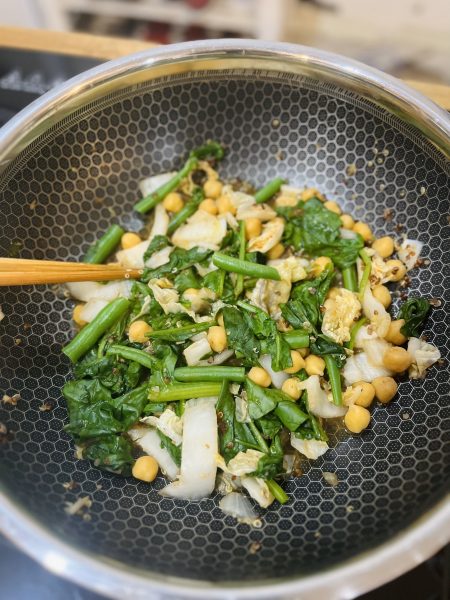
A simple protein-rich chickpea and quinoa dish prepared by Santorino
Quinoa
- Protein: Quinoa contains all nine essential amino acids, making it a complete protein, which is unusual among plant foods.
- Fibre: Its fibre supports digestion and helps reduce cardiovascular risk.
- Vitamins and minerals: It also provides B vitamins, vitamin E, iron, magnesium, phosphorus, zinc and potassium.
- Antioxidants: Quinoa contains flavonoids such as quercetin and kaempferol, which help fight inflammation and protect against free radicals.
Chickpeas
- Protein: Chickpeas are a rich protein source, although not a complete protein. Combined with other foods, they can supply all essential amino acids.
- Fibre: Chickpeas are rich in fibre, supporting digestion and blood-sugar control.
- Vitamins and minerals: Chickpeas provide B vitamins, iron, magnesium, phosphorus, zinc and potassium.
- Antioxidants: Chickpeas contain antioxidants such as polyphenols that help protect against free-radical damage.
Comparing the Benefits
- Protein: Both provide protein, but quinoa has the advantage of containing all essential amino acids.
- Fibre: Both are rich in fibre to support healthy digestion.
- Vitamins and minerals: Both provide vitamins and minerals the body needs.
- Antioxidants: Both contain antioxidants that help protect against inflammation and free-radical damage.
Including quinoa and chickpeas in a vegetarian diet supplies both protein and other important nutrients to support overall health.
Explore imported products from Santorino’s Beans, Nuts and Seeds Shop
Plant Milks (Figures for Undiluted Products)
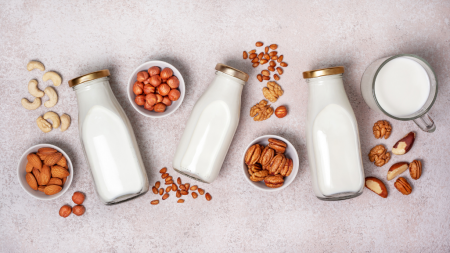
The benefits of plant proteins, grains and plant milks
Almond milk
- Protein: 1g
- Fibre: 0.5g
- Iron: 0.2mg
- Magnesium: 15mg
- Potassium: 150mg
Soy milk
- Protein: 3.3g
- Fibre: 0.6g
- Iron: 0.6mg
- Magnesium: 25mg
- Potassium: 118mg
Oat milk
- Protein: 1g
- Fibre: 0.4g
- Iron: 0.2mg
- Magnesium: 11mg
- Potassium: 120mg
These figures are for reference and may vary with preparation and the source of the product.
Appropriate amounts of grains, beans, nuts, seeds and plant milks depend on age, sex, activity level and general health. Here are some general daily reference amounts:
- Grains: Around 3–6 portions daily for adults, with a portion equivalent to about 30 g of grains.
- Beans, nuts and seeds: Around 1–3 portions daily, with a portion about 30 g.
- Plant milks: Around 240 ml daily may meet an adult’s calcium needs.
Daily requirements for beans, nuts, seeds and plant milks vary with individual nutritional needs, age and activity level. Here are some general dietary recommendations:
- Beans, nuts and seeds:
-
- Protein: Daily requirements depend on body weight and activity, but typically range from 0.8 to 1.2 g per kilogram of body weight for adults. A person weighing 70 kg may need 56–84 g daily.
- Fibre: Adults generally need around 25–30 g daily.
- Minerals such as iron, magnesium and potassium: Requirements vary with health and individual circumstances, but should be met through varied foods.
-
- Protein: Adults generally need 50–70 g daily, depending on body weight and activity.
- Fibre: Consider the total fibre needed from other foods to ensure an adequate intake.
These are general recommendations and may need adjusting for individual circumstances.
Can you offer some advice to reduce the animal-protein risks mentioned earlier?
Certainly. Here are five suggestions:
- Reduce red and processed meat: Limit red and processed meat to reduce the risk of cardiovascular disease, cancer and other illnesses.
- Choose healthy protein sources:
- Plant protein: Beans, nuts, seeds and whole grains.
- Fish and seafood: Rich in omega-3 fats that benefit the heart.
- Poultry: Choose lean, lower-fat cuts.
- Eat more fibre: Leafy greens, fruit and whole grains help reduce absorption of unhealthy fats.
- Control portion sizes: Adjust portions to avoid consuming too much animal protein.
- Exercise and meditate, travel to reduce stress: A relaxed body is a healthy body. Healthy physical activity improves insulin sensitivity, helps manage weight and reduces the risk of diseases linked to animal-protein consumption.
That is useful information about plant protein for vegetarians. On behalf of the vegetarian community, thank you.
Next, we will explore fats, including saturated and unsaturated fats.

