Miso is a traditional Japanese seasoning made by fermenting soybeans with salt and koji mould (Aspergillus oryzae).

With a long history, miso is both a culinary ingredient and an important part of Japanese culture and traditional medicine.
THE NUTRIENTS IN MISO

Miso Is Rich in Protein
Miso is a rich source of plant protein. One tablespoon contains around 2–3 grams of protein, providing essential amino acids the body needs.
These amino acids play an important role in building and repairing muscle tissue and producing enzymes and hormones.
Vitamins and Minerals
Vitamin K supports blood clotting and bone health, while vitamin E and zinc play important roles in protecting cells from free-radical damage.
Miso contains vitamins and minerals including vitamin K, vitamin E, vitamin B2 and folic acid (B9).
It also contains minerals such as copper, manganese, zinc and magnesium.
A Source of Probiotic Bacteria
Probiotic bacteria in miso, such as Lactobacillus and Bifidobacterium, benefit digestion and the immune system. Probiotics help balance gut bacteria and improve digestive function.
Dietary Fibre
Miso provides a small amount of fibre to support digestion and gut health. Its fibre helps food move through the intestines and reduces the risk of constipation.
6 Surprising Uses and Benefits of Miso
1. Miso’s Role in Gut Health
Miso provides natural probiotics that help balance gut bacteria and improve digestion. Its probiotics may help prevent digestive problems such as constipation, diarrhoea and irritable bowel syndrome. Research suggests that probiotics in miso may encourage beneficial bacteria such as Lactobacillus and Bifidobacterium.
2. Supporting Heart Health
Miso contains omega-3 fatty acids and antioxidants that help reduce inflammation and improve blood-vessel function. Some studies suggest that eating miso may reduce cardiovascular risk. Research in Circulation found that Japanese people who consumed more miso had a lower risk of cardiovascular disease than those who did not consume it.
3. Supporting the Immune System
Through its probiotics and enzymes, miso helps support the immune system and protect against infection and inflammation. A study published in the Journal of Agricultural and Food Chemistry found that miso contains antibacterial compounds that may help support immunity.
4. Reducing Cancer Risk
Studies have suggested that miso may offer protection against some cancers, particularly breast and prostate cancer. This may relate to soybean isoflavones, phytoestrogens with anticancer properties. Research in Cancer Science suggests that isoflavones in miso may help prevent cancer-cell growth.
Miso may also reduce stomach-cancer risk. Some Korean studies suggest that fermented soybean foods do not increase stomach-cancer risk in the same way as a high-salt diet, despite their high salt content. This is attributed to soybean isoflavones and their anti-inflammatory and antioxidant properties.
5. Supporting Bone Health
Miso provides important nutrients such as calcium, magnesium and vitamin K2 to support bones and help prevent osteoporosis. Research suggests that vitamin K2 in miso may improve bone density and reduce fracture risk.
6. Protecting Against Ageing
Miso contains antioxidants such as genistein and daidzein, which help prevent free-radical damage to cells and reduce ageing processes. Research in BioFactors suggests that these antioxidants may protect cells against damage and ageing.
HOW TO USE MISO
Miso Soup
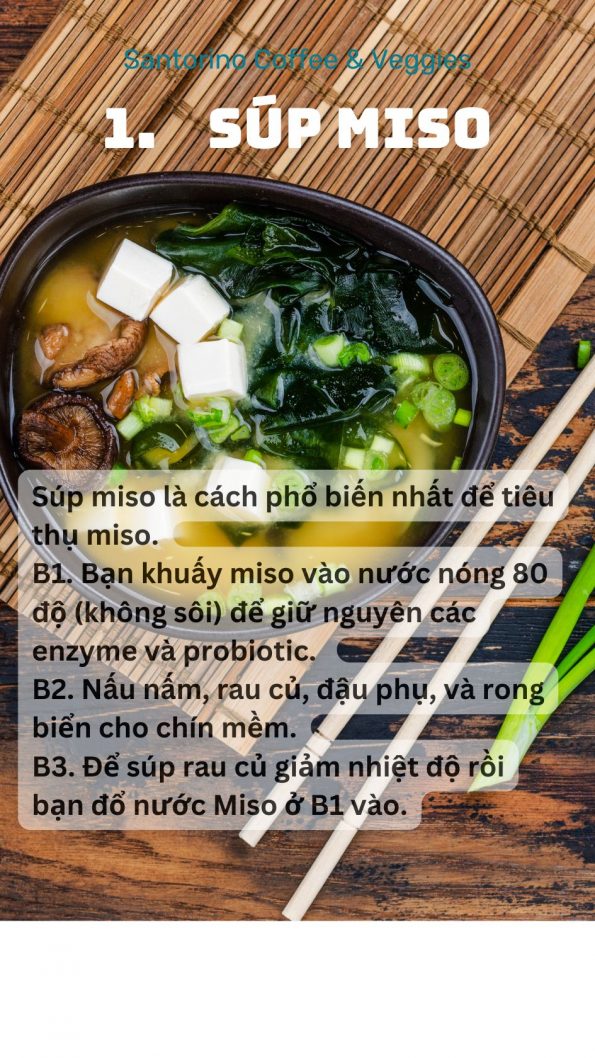
Miso soup is the most common way to enjoy miso. Add miso to hot, rather than boiling, water to preserve its enzymes and probiotics, then add vegetables, tofu and seaweed.
Here is a quick way to make vegetarian miso and seaweed soup
2. Seasoning Other Dishes
Miso can season stir-fries, sauces and grilled dishes. Try it in udon noodles, mixed rice or dishes such as miso-grilled salmon.
3. Marinades
Use miso in a marinade for meat, fish, mushrooms or tofu to add a distinctive depth of flavour. A miso marinade both tenderises food and adds flavour and nutrients.

4. Creative Cooking
Miso can be combined with salad dressings, dipping sauces and even desserts for an unusual, nourishing flavour. Try miso caramel or miso chocolate for something different.
5. Points to Keep in Mind
Miso is high in salt, so use it in moderation, particularly if you have blood-pressure concerns or follow a reduced-salt diet. Avoid cooking it at very high temperatures to protect its enzymes and probiotics.
WHO MIGHT ENJOY MISO?
Vegetarians and Vegans
Miso is an important source of plant protein and supplies essential nutrients that vegetarian and vegan diets may lack.
7. People with Digestive Problems
People with constipation, diarrhoea or irritable bowel syndrome may benefit from the probiotics in miso.
8. People Looking to Support Their Immune System
With its immune-supporting properties, miso is an option for those looking to improve their resistance to illness.
9. People Interested in Heart Health
People at higher cardiovascular risk, or those wishing to maintain heart health, can include miso in their diet.
10. Older Adults
Its bone-health and antioxidant benefits make miso an option for older adults.
Conclusion
Miso is both a delicious seasoning and a food with many potential health benefits, particularly for the gut. Its nutrients and benefits for digestion, immunity and heart health give it a place in everyday meals. To make the most of miso, use it appropriately and include it in a variety of dishes.
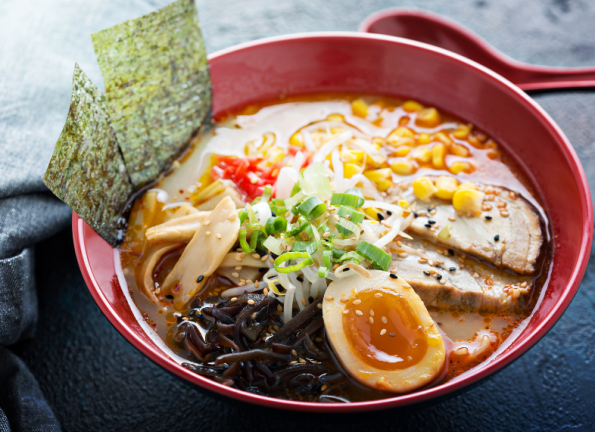
Enjoy a healthy, flavourful diet with miso, and remember to visit Santorino Coffee & Veggies on Friday, Saturday or Sunday for a nourishing bowl of vegetarian miso ramen .
For more vegetarian nutrition articles, follow Santorino’s page .

